Shifting up a gear: How we’re driving digital growth for Motorsport UK
24th February 2026
6th October 2025
Roughly a 10 minute read by
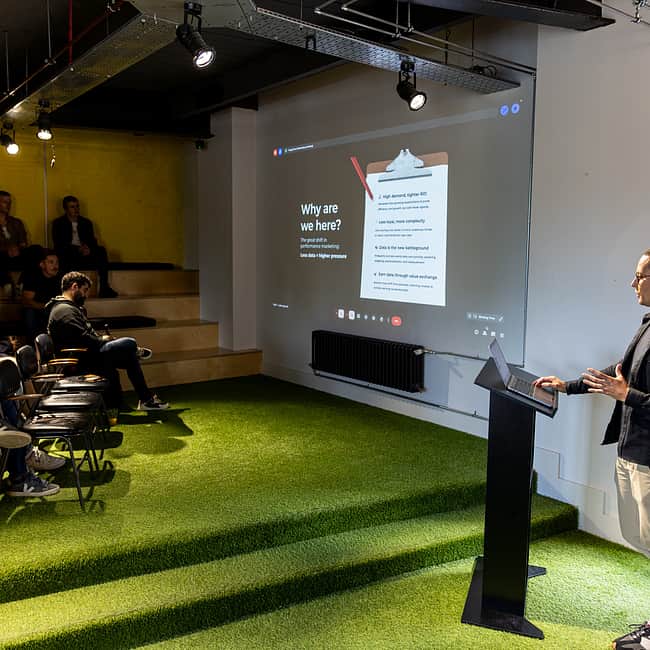
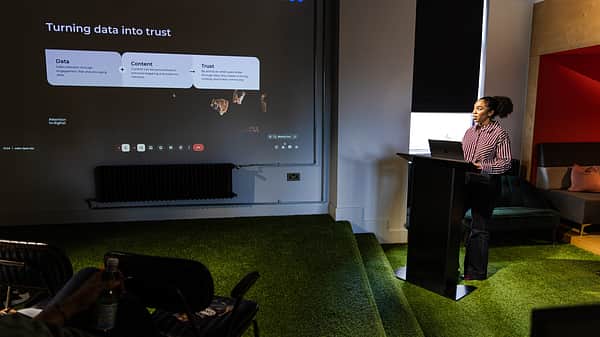
We hosted our first ever Leeds Digital Festival event and packed the studio with marketers who wanted straight answers on life after third-party cookies. A big thank you to everyone who came for the chat (and the cookies).
Didn’t make the event? Here’s a short recap, minus the crumbs.
Third-party cookies are small bits of code placed on a user’s browser by a website other than the one they’re visiting. They allow platforms and advertisers to follow people across different sites, build audience profiles, and connect ad exposure to conversions.
Driven by privacy concerns, regulation and platform changes, third-party tracking is being steadily dismantled. Browsers like Safari and Firefox already block them by default, and Chrome is moving towards a user-choice model.
At the same time, platforms like Meta and Google are pushing brands to rely on their APIs and closed ecosystems instead of legacy tracking methods.
As always, marketers are under pressure to drive growth and efficiency, but with murkier signals, fragmented customer journeys and less loyalty to go around. Data is now the battleground.
We’re being asked to do more with less. The brands who capture, understand, and use their own data effectively will hold the edge.
Gregg Turner
Performance Marketing Director

In a post-cookie world, data isn’t something you passively collect, it’s something you actively earn. That means shifting your focus to signals you can trust:
With third-party cookies crumbling, the way you capture and connect data has to evolve. That means replacing leaky, browser-based tracking with methods designed to respect privacy while still giving you the clarity you need. The good news? The tools are already here, and they have the potential to give you better data than cookies ever did.
Digital activations are a great way to earn first and zero-party data at scale while giving your audience something genuinely engaging and rewarding in return. We shared four digital activation mechanics that consistently trade value for data:
Need more info? Find out more about our digital activation services.
Search results pages are crowded with AI overviews, forums, video and shopping units. Treat SEO as the discovery backbone that captures intent and consented data at source. That authority and data then fuel paid and social, not just organic traffic numbers.
Visibility is built first, but trust is earned later. SEO is the foundation other channels can build on.
Dave Whittrick
Head of SEO

Zero-party data from polls, quizzes and comments identifies what your audience truly values. Feed those insights back into content and paid. The by-product is higher engagement and a community that tells you more about your brand.
In a cookieless world, the brands that listen and act on what people share will win.
Yasmin Russell
Head of Social Media Marketing
Broad, algorithmic audiences perform when they’re trained on high-quality conversion data. Server-side signals and conversion APIs help platforms optimise toward real outcomes, while your first-party audience building keeps relevance high.
“Good data in, good results out. We’ve already seen cookieless campaigns outperform cookie-based setups.”
James Elliman
James Elliman - Head of Paid

Performance marketing today is all about connecting channels through the data you own, reaching the right people, creating content that resonates, and measuring impact with confidence.
Within that, each channel has a role to play:

Our speakers left the audience with three clear takeaways to shape smarter, more resilient strategies:
24th February 2026
3rd February 2026

29th January 2026
3rd November 2025